

The movement needs a place to stay.
Weight, support, proportion, and movement path have to stand first. Only then does motion stop feeling random.
Original Kinetic Wooden Gifts
Handmade wooden gifts that move, glow, and bring quiet charm to everyday spaces.
Featured Works
Four representative wooden works: floating, flying, softly glowing, and linked in motion. Made for desks, shelves, and thoughtful gifts.
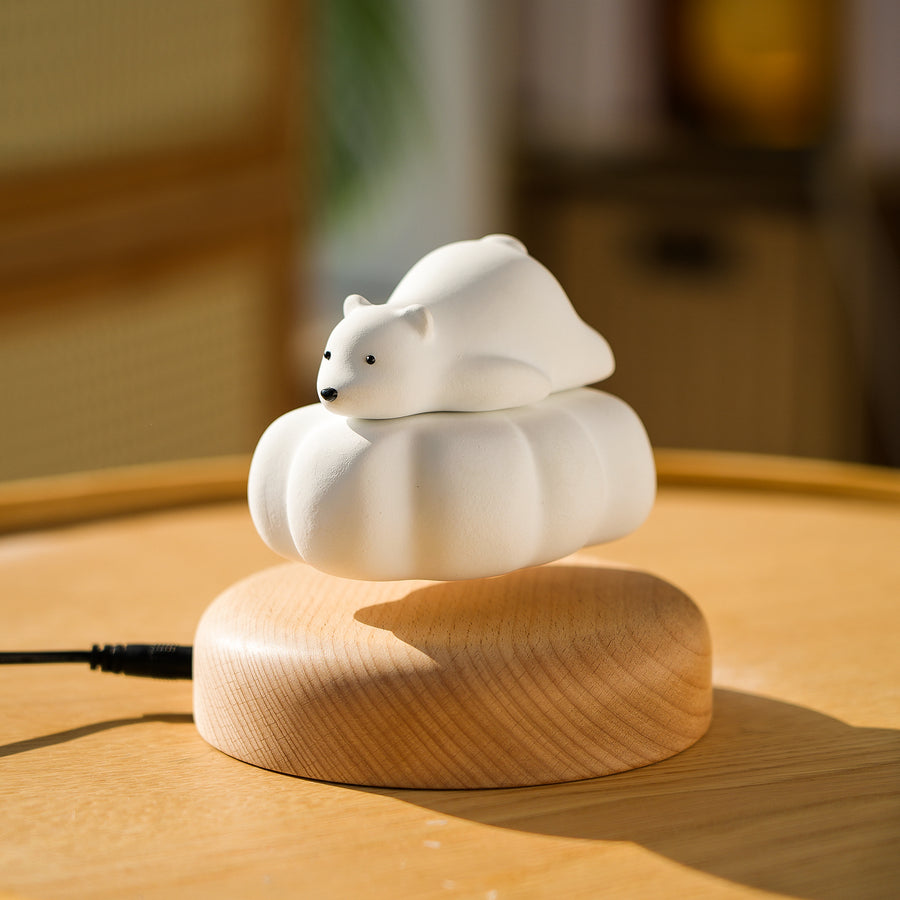
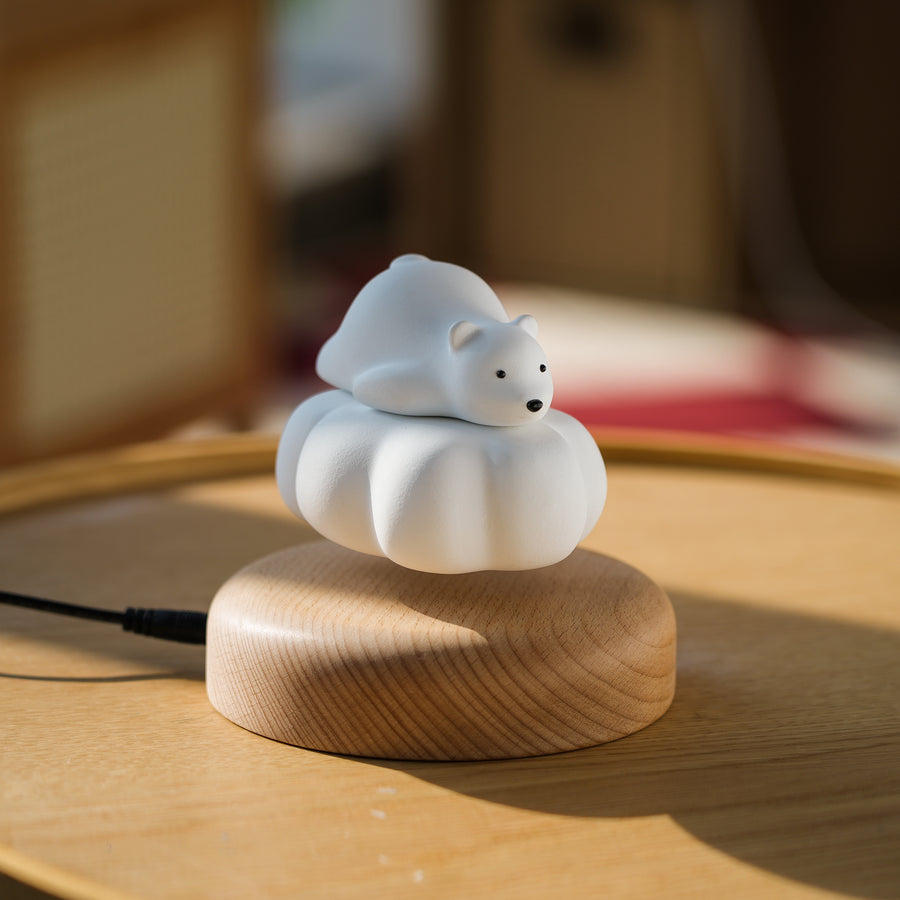
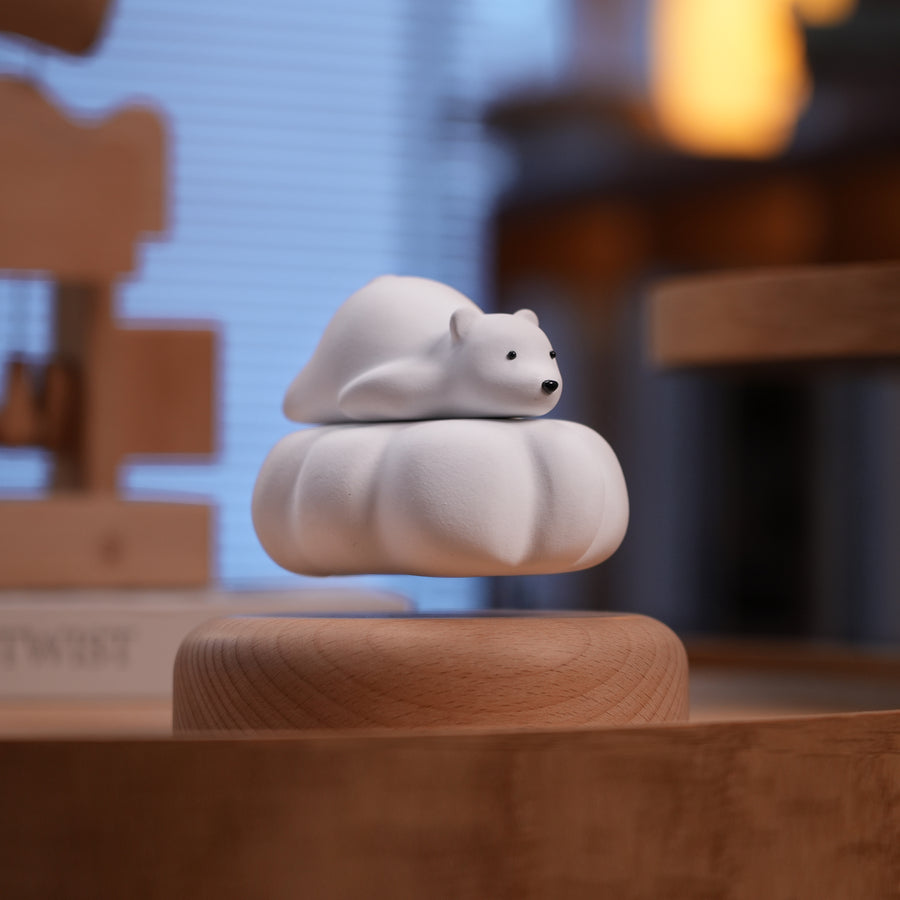

A quiet floating bear above a wooden base.
$159.00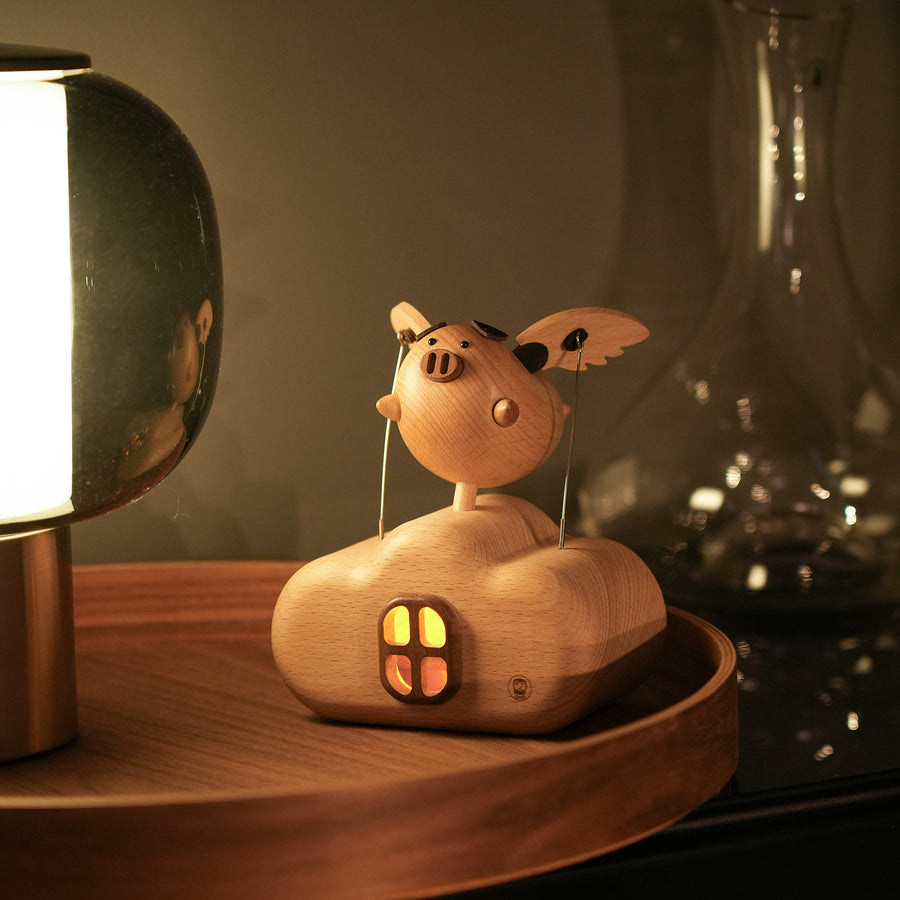
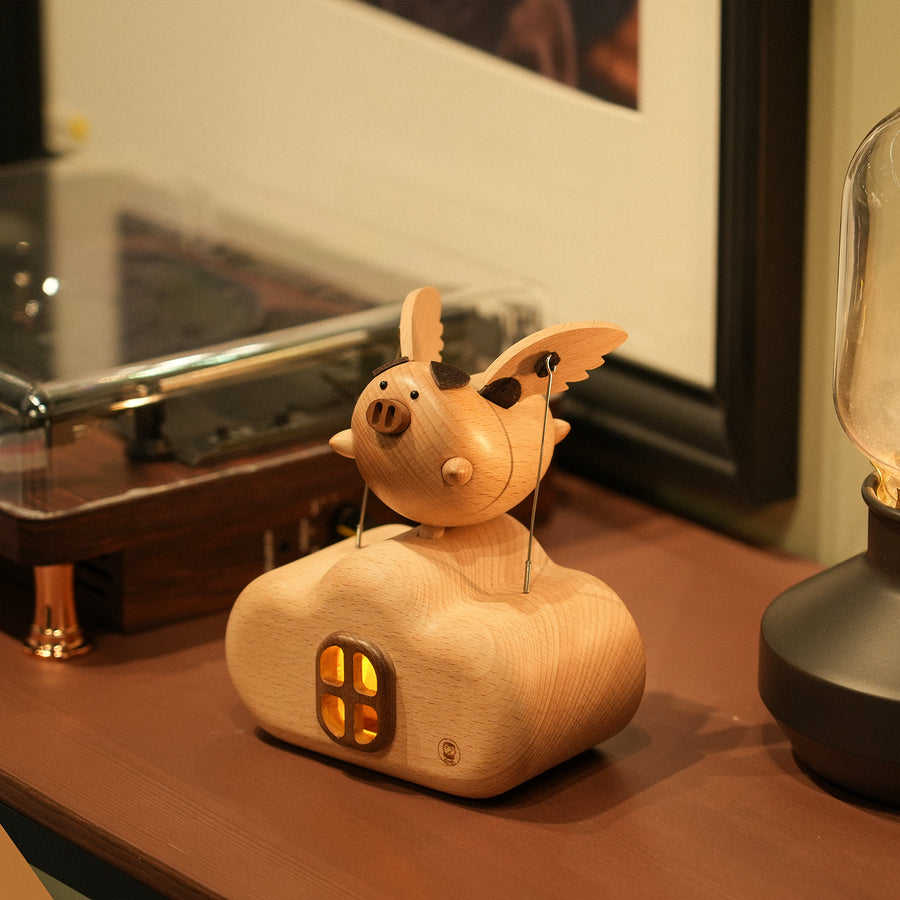
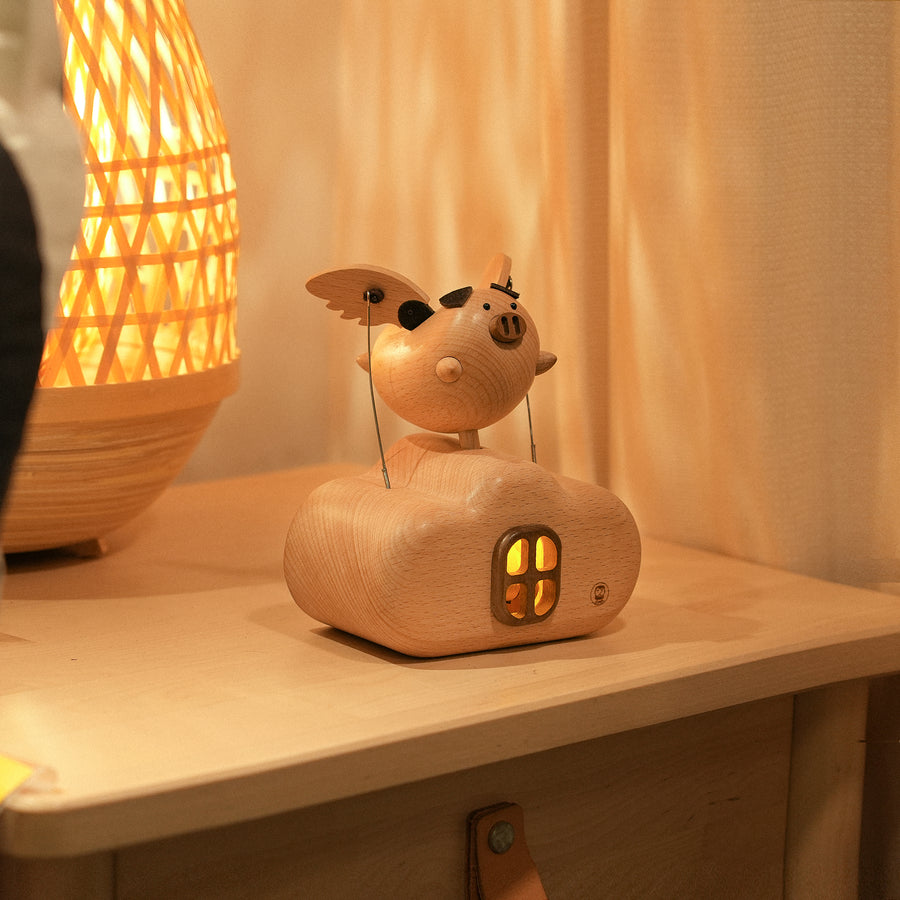
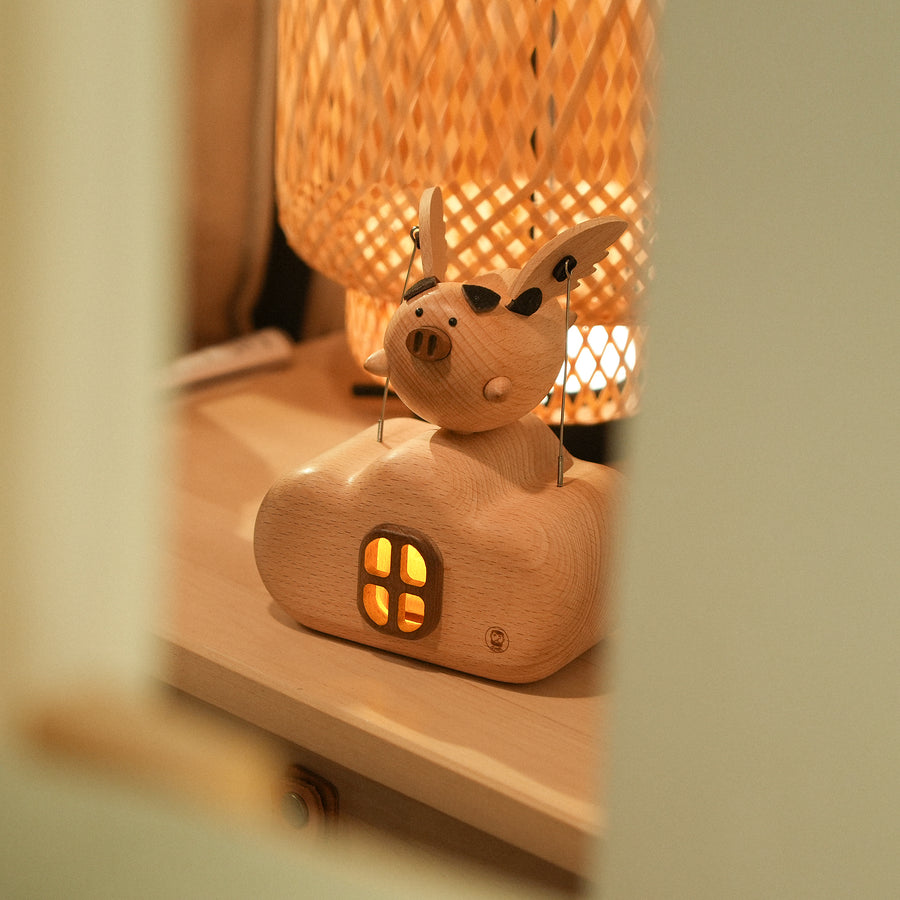
A small flying wooden work with warm light.
$99.00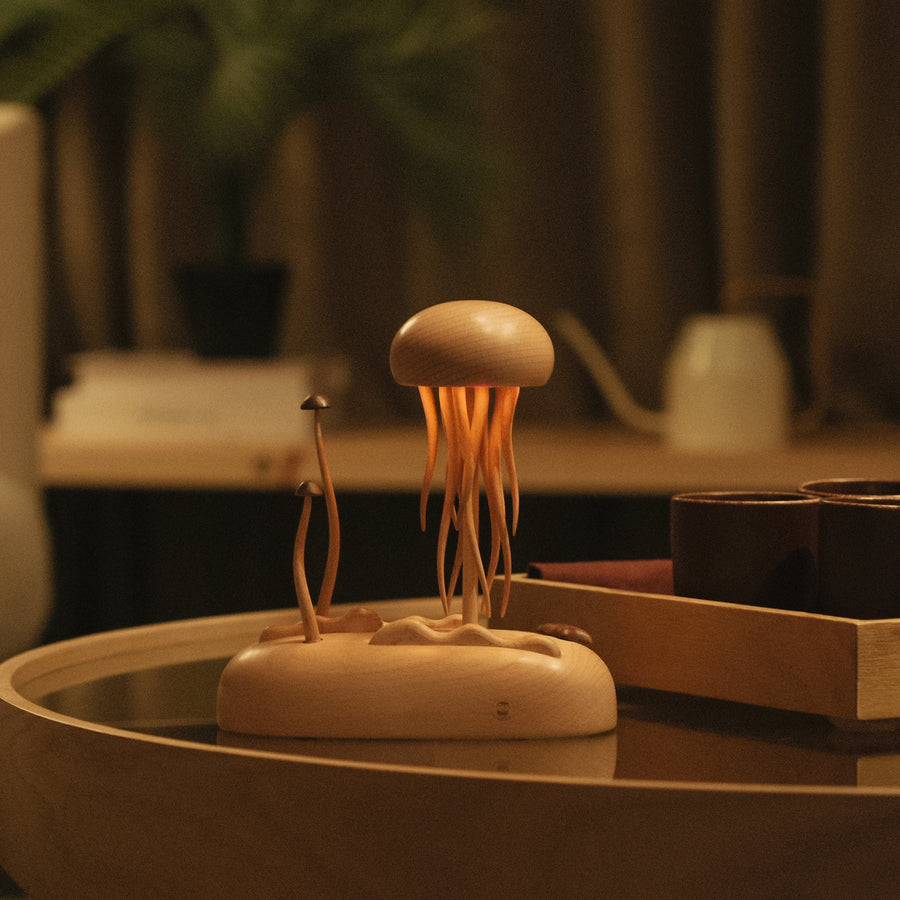
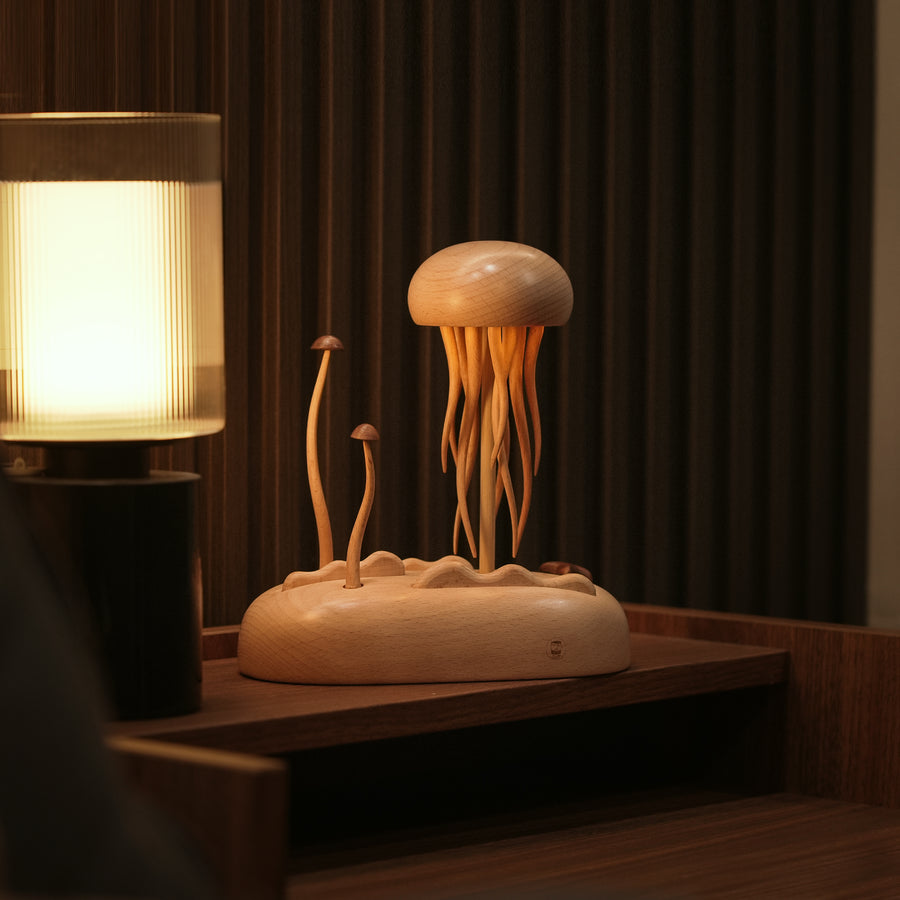
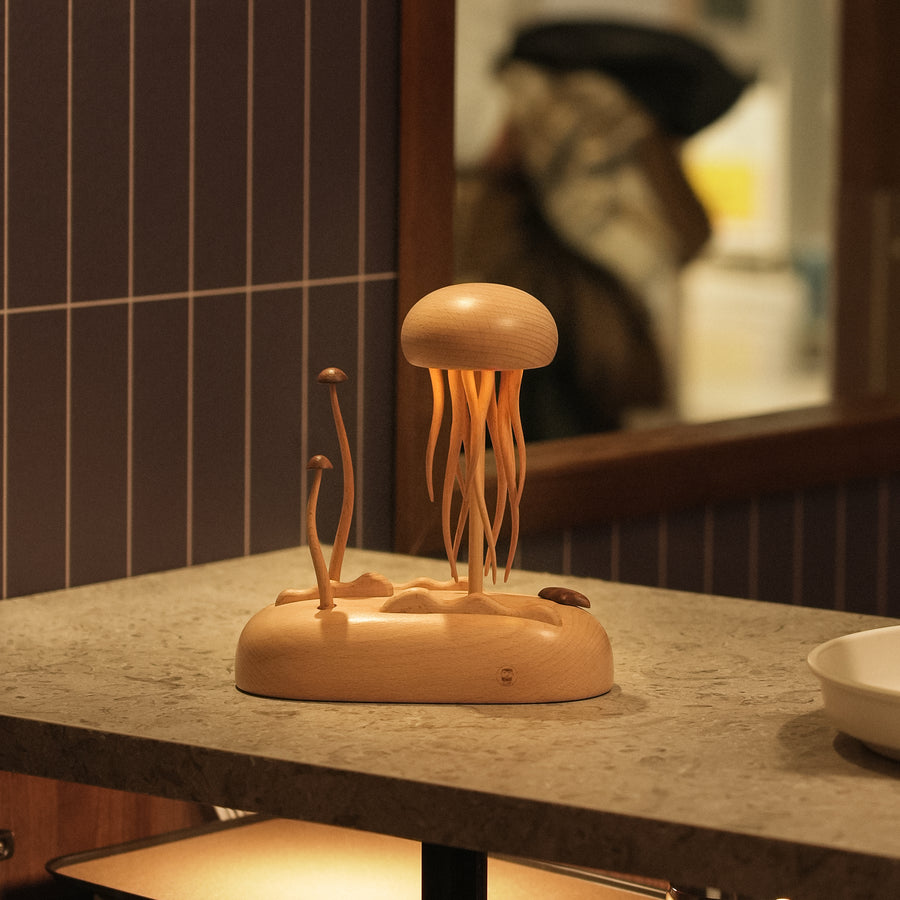
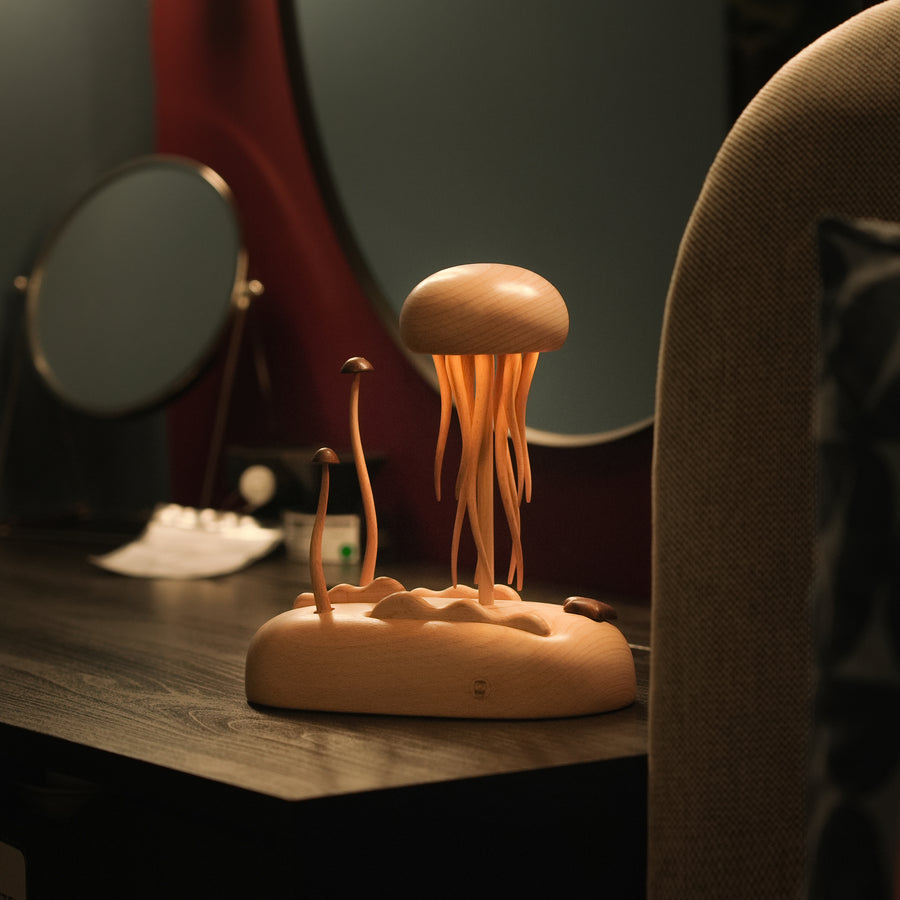
Soft tentacles, slow movement, and a quiet glow.
$119.00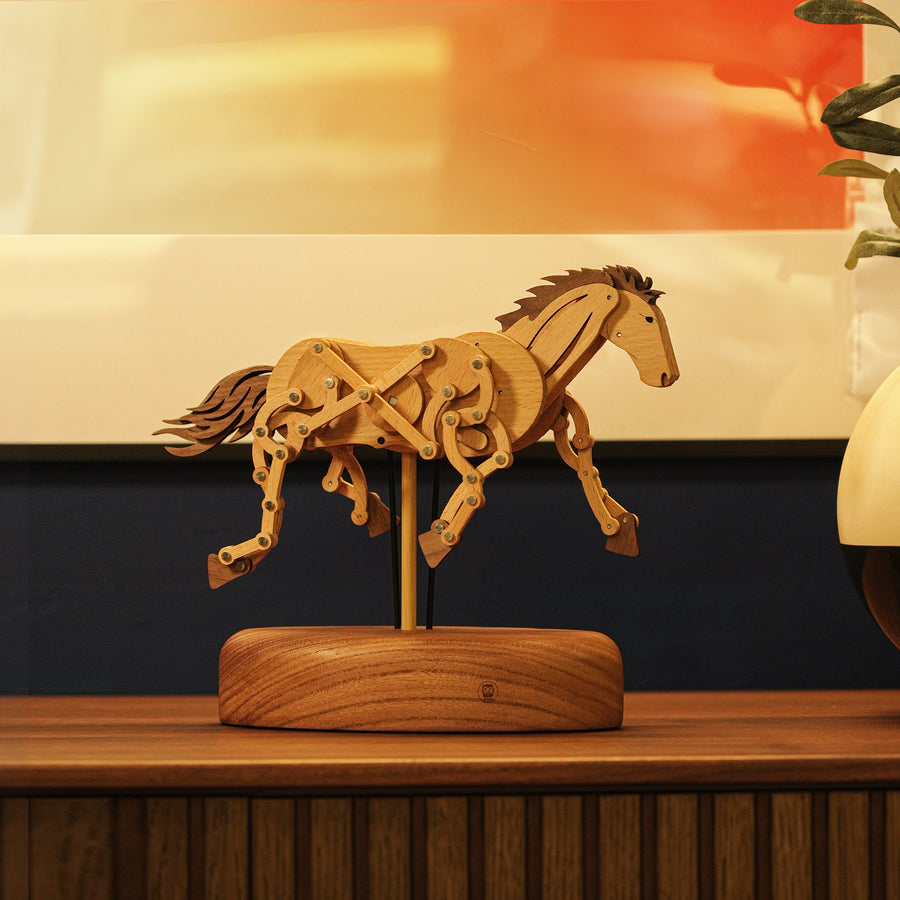
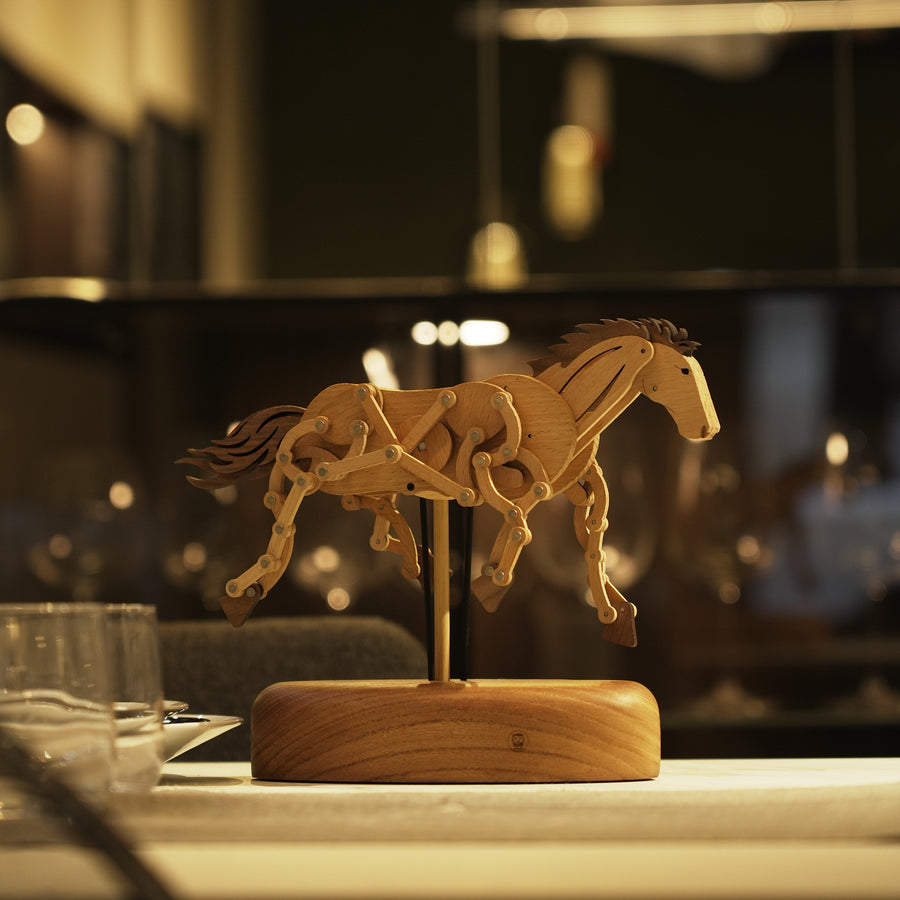
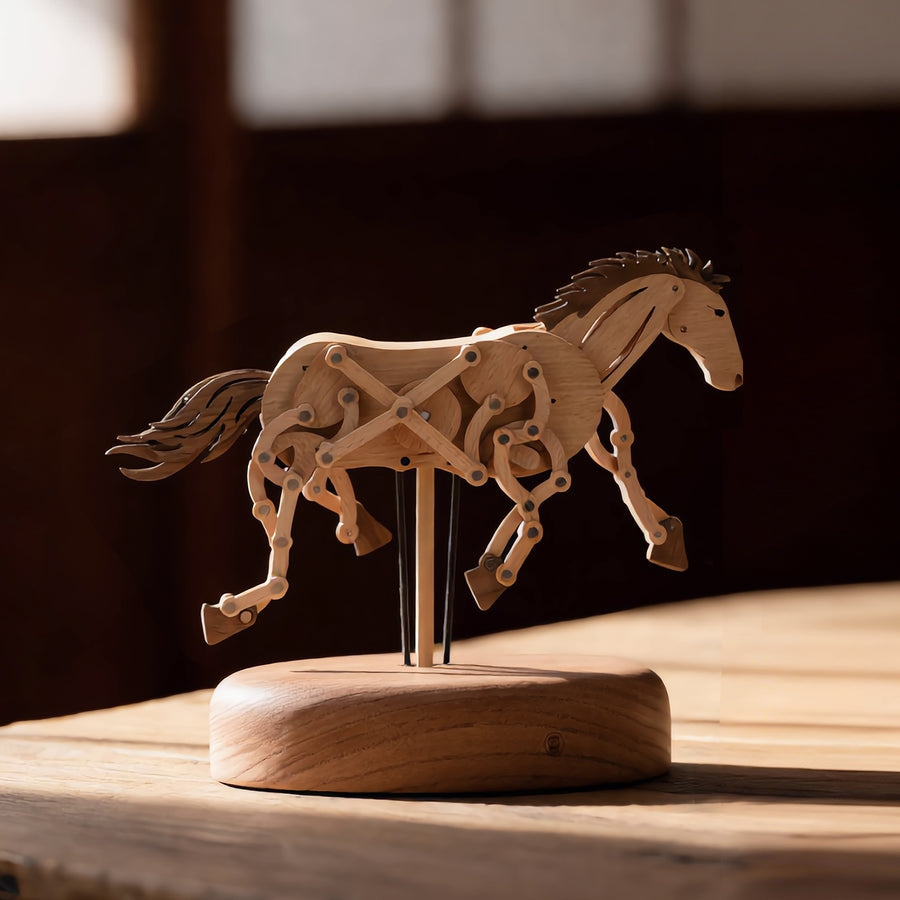
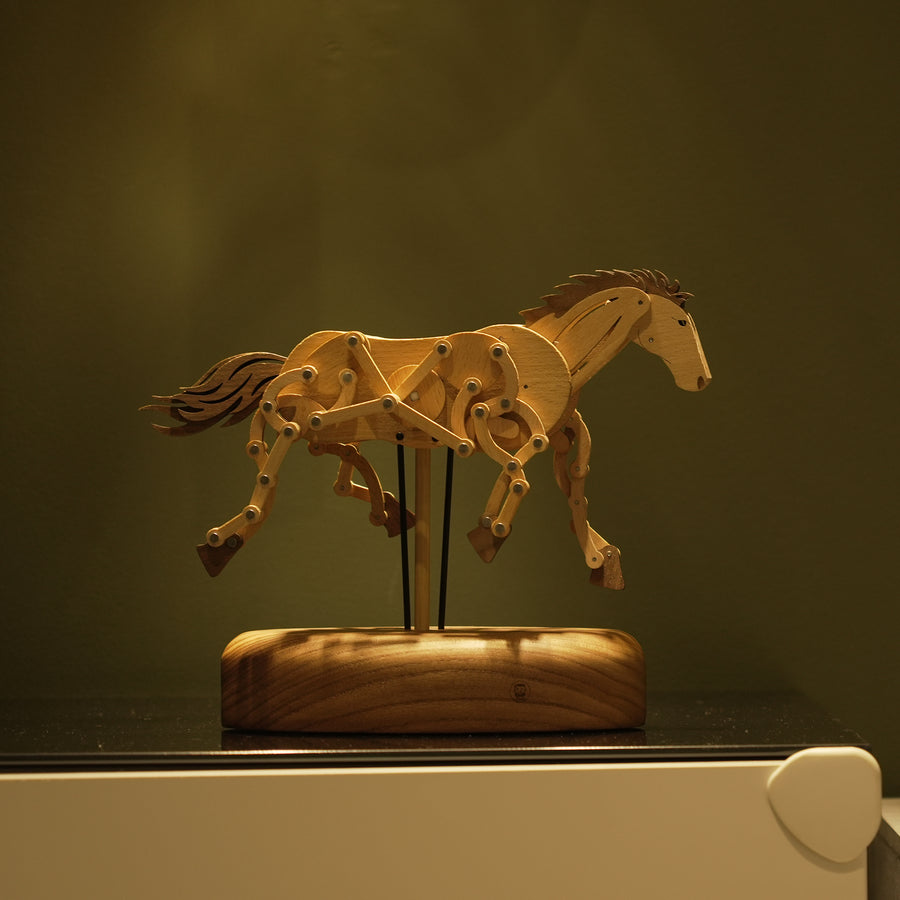
A moving wooden horse with layered mechanical rhythm.
$199.00Motion Language
Motion is not made for noise. It lets structure, light, and movement slowly stay in everyday life. We hide different kinds of motion inside wood: floating, light, rotation, flying, wind, and physical rocking.
Motion Aesthetics
Not everything that moves belongs in everyday spaces. Too fast feels like a toy, too loud interrupts the room, and too much movement becomes tiring.
We are not looking for bigger movement. We are looking for quieter, steadier, and more lasting motion.

Structure · Transmission · Calibration
A moving wooden work cannot rely on motion alone. Before it moves, its center of gravity, support, movement path, and rhythm all need to be designed.
Weight, support, proportion, and movement path have to stand first. Only then does motion stop feeling random.
The mechanism inside the wood changes internal movement into a visible rhythm: turning, floating, swinging, or linked motion.
A little faster, looser, or off-center can break the quiet feeling. The final motion comes from repeated adjustment.

MOTION LANGUAGE
Each motion works differently, but they all return to the same standard: quiet, stable, and natural.
Understand the works through motion.
It is not made to create surprise, but to let the wood feel briefly relieved of weight.
Wood · Structure · Motion · Light · Handwork
ORIGINAL DESIGN & MAKING
Real motion does not come from an idea alone. It passes through sketches, structure tests, wood handling, and checks before shipping.


01
Motion is not added at the end. Weight, support, and movement path begin in the sketch.


02
Rotation, floating, swinging, and linkage all need repeated rhythm tests. A little faster or looser can change the feeling.


03
Grain, edges, curves, and hand finishing are not just surface details. They shape how the work settles into a room.


04
Motion, light, accessories, and packaging are checked before the work leaves us.
Original · Structure · Wood · Checking